

Mr Agrawal has recommended a hernia operation. However, it is your decision to go ahead with the operation or not.
This document will give you information about the benefits and risks to help you to make an informed decision. If you have any questions that this document does not answer, ask Mr Agrawal or his team.
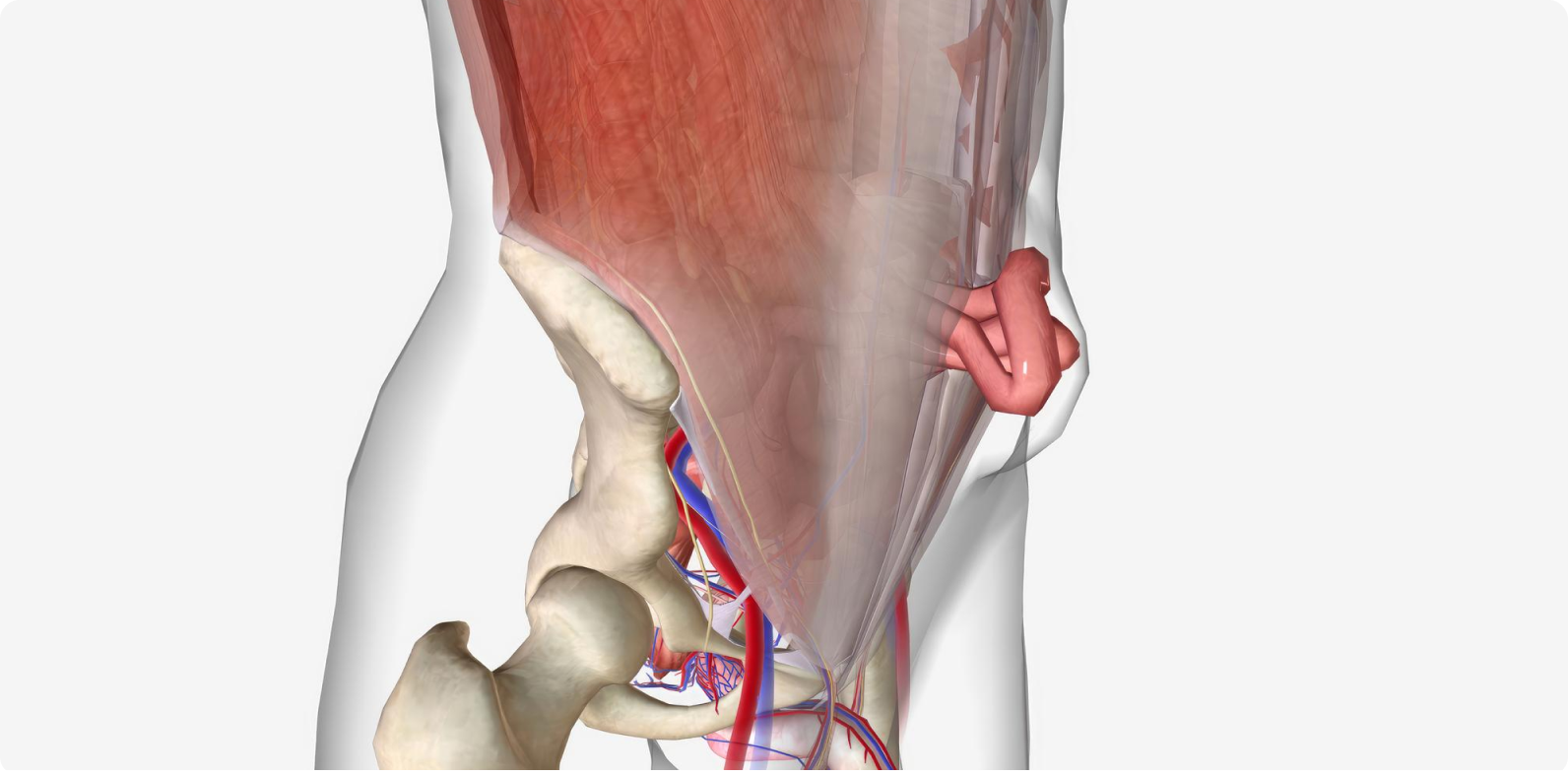
An epigastric hernia is a type of hernia in the epigastric region (area between the belly button, or umbilicus and the sternum of your rib cage) of the abdominal wall. It often causes pain and a swelling which may come and go.
Your abdominal cavity contains your intestines and other structures. These are protected by your abdominal wall. Weak spots can develop within a layer of muscle of your abdominal wall, resulting in the contents of your abdomen pushing through your abdominal wall. This produces a lump called a hernia.
This hernia causes a bulge anywhere in the region above the belly button, or umbilicus and the sternum (epigastric region) of the abdominal wall and can cause pain.
The operation is usually performed under a general anaesthetic but various anaesthetic techniques are possible. Your anaesthetist will discuss the options with you.
The operation usually takes about 30-60 minutes, though can be longer or shorter depending upon the complexity of the hernia.
Mr Agrawal will make a cut over the swelling in the epigastric region. He will free up the hernial sac (covering), place the contents back inside your abdomen and remove the hernial sac. He will close the weak spot with strong stitches or a synthetic mesh if necessary and close your skin with absorbable stitches or metal clips.
Mr Agrawal may insert a drain (tube) in your wound to drain away fluid that can sometimes collect. The drain will usually be removed after 1 to 2 days.
You may also have injections of local anaesthetic to help with the pain after the operation. You may be given antibiotics during the operation to reduce the risk of infection.
You should no longer have the hernia. Surgery should prevent the serious complications that a hernia can cause and allow you to return to normal activities.
Surgery is recommended as it the only dependable way to cure the condition.
The hernia can be left alone but complications can happen. It will not get better without surgery.
The hernia will get larger with time. It can also be dangerous because your intestines or other structures within your abdominal cavity can get trapped and have their blood supply cut off (strangulated hernia). This needs an urgent and larger operation, with a higher risk of developing serious complications. If left untreated, a strangulated hernia can be life-threatening.
Let Mr Agrawal and his team (anaesthetic & nursing) know about all the medications you take and follow their advice. This includes all blood-thinning medication as well as herbal and complementary remedies, dietary supplements, and medication you can buy over the counter.
If you smoke, stopping smoking now may reduce your risk of developing complications and will improve your long-term health.
Try to maintain a healthy weight. You have a higher risk of developing complications if you are overweight.
Regular exercise should help to prepare you for the operation, help you to recover and improve your long-term health. Do not do exercises that involve heavy lifting or make your hernia painful. Before you start exercising, ask Mr Agrawal or your GP for advice.
The whole team will try to make your operation as safe as possible. However, complications can happen. In most patients, these complications will be mild, but in a small proportion may lead to an emergency re-operation, a period in intensive care and / or an extended hospital stay. Rarely, these complications can even cause death.
Any numbers which relate to risk are from studies of people who have had this operation. Mr Agrawal may be able to tell you if the risk of a complication is higher or lower for you.
When you are recovering, you need to be aware of the symptoms that may show that you have a serious complication.
You should ask Mr Agrawal if there is anything you do not understand.
A general anaesthetic is a combination of drugs that produces deep sleep. It is safe for most people. However, complications can happen and some can be serious and can even cause death (risk of anaesthesia contributing to death: 1 in 60,000, risk of death: 1 in 100,000).
Your anaesthetist will be able to discuss with you the possible complications of having an anaesthetic like:
If you happen to develop a serious complication from the general anaesthetic, you may need to be transferred to the nearest NHS hospital for further management.
You should ask your anaesthetist if there is anything you do not understand.
After the operation, you will be transferred to the recovery area and then to the ward. You should be able to go home the same day or the day after. However, Mr Agrawal may recommend that you stay a little longer.
If you do go home the same day, a responsible adult should take you home in a car or taxi and stay with you for at least 24 hours. Be near a telephone in case of an emergency.
If you are worried about anything, in hospital or at home, contact Mr Agrawal or the hospital. We should be able to reassure you or identify and treat any complications.
You need to be aware of the following symptoms as they may show that you have a serious complication:
If you do not continue to improve over the first few days, or if you have any of these symptoms, let Mr Agrawal or the hospital know straightaway. If you are at home, contact Mr Agrawal (or the hospital) or GP. In an emergency, call an ambulance or go immediately to your nearest Emergency department.
Do not drive, operate machinery or do any potentially dangerous activities (this includes cooking) for at least 24hours and not until you have fully recovered feeling, movement and co-ordination. You should also not sign legal documents or drink alcohol for at least 24 hours.
To reduce the risk of a blood clot, make sure you are moving around and doing calf muscle exercises.
You may return to normal activities when you feel comfortable to do so, usually after a week or 10 days though can be shorter or longer in some people. This also depends upon your type of work.
Regular gentle exercises should help you to return to normal activities. However, do not lift heavy weights or play sports or do strenuous exercises for 6-weeks after surgery.
Do not drive until you are confident about controlling your vehicle and always check your insurance policy and with your doctor (GP).
Most people make a full recovery and can return to normal activities.
However, the hernia can come back (risk: less than 1 in 20). This depends on the size of the hernia, the strength of your abdominal muscles, if you are overweight or if you have underlying medical problems. The hernia can come back many years later and you may need another operation.
An epigastric hernia is a common condition caused by a weakness in your abdominal wall. If left untreated, a hernia in the epigastric region can cause serious complications.
Surgery is usually safe and effective but complications can happen. You need to know about them to help you to make an informed decision about surgery. Knowing about them will also help to detect and treat any problems early.
This factsheet is for people who are planning to have epigastric hernia repair surgery, or who would like information about it. Although every effort is made to inform you on this surgery, there will be specific information that will not be discussed here. Also, your care will be adapted to meet your individual needs and may differ from what is described here (Version-01July, 2020).
Different types of hernia can occur. The most common types are listed here:
Consultation and treatment arranged promptly with minimal waiting time.
Find clear, expert answers to the most common questions about Epigastric Hernia treatment.
Surgical repair is the most effective treatment, offering long-term relief and preventing the hernia from worsening.
Yes, it can cause discomfort or pain in the upper abdomen, especially when bending, coughing, or after meals.
If left untreated, it can enlarge and may lead to complications such as trapped tissue, requiring urgent medical attention.
Most epigastric hernia surgeries are performed as day-case procedures, allowing patients to return home the same day.
Costs vary depending on the clinic and complexity, but private treatment typically includes consultation, surgery, and aftercare.
Yes, strenuous activities and heavy lifting can increase abdominal pressure and worsen symptoms.
Look for a consultant surgeon with extensive experience, positive patient outcomes, and expertise in modern surgical techniques.
Mesh may be used to strengthen the abdominal wall, depending on the size and nature of the hernia.
Most patients resume light activities within a few days and return to full activity within a few weeks.
Yes, ongoing discomfort and limitations in movement can impact daily life, which is why early treatment is recommended.
Our expert team is here to provide clear, reliable answers to help you feel informed and confident about your care. Explore our FAQs or get in touch for personalised guidance.
Please fill out the form below and we will get back to you as soon as possible.