

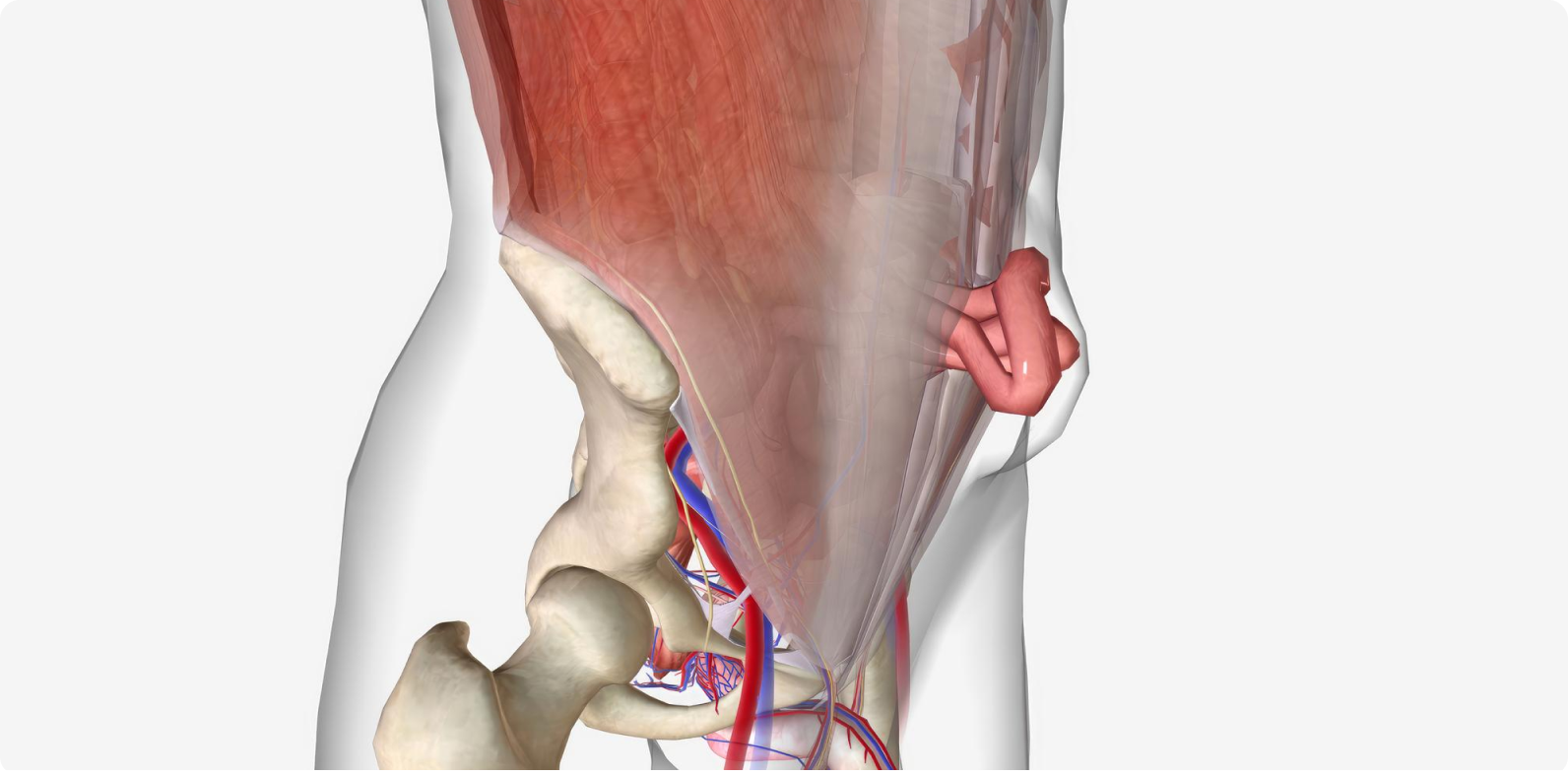
A hernia (or “rupture”) occurs where there is a weakness in the wall of the abdomen. As a result, some of the contents within the abdomen can then bulge (push through) under the skin. This leads to a feeling of a soft lump or swelling under the skin.
Hernias can occur in anyone. Men are more likely to have inguinal hernias, as they have a small tunnel in the tissues of their groins which occurred when they were developing as a baby. This tunnel allowed the testes to come down from the abdomen into the scrotum. Intestinal tissue can also pass into this tunnel, forming an inguinal hernia.
Hernias in adults may arise as a result of the strain which raises the pressure in the abdomen causing a weakness or tear in the abdominal wall. This can be caused by:
Different types of hernia can occur. The most common types are listed here:
Consultation and treatment arranged promptly with minimal waiting time.
Find clear, expert answers to the most common questions about hernia treatment.
A hernia occurs when an internal organ or tissue pushes through a weak spot in the surrounding muscle or tissue, often caused by strain or weakness over time.
Common types include inguinal (groin), umbilical (navel), femoral, and incisional hernias, each occurring in different areas of the body.
Typical symptoms include a visible bulge, discomfort or pain, especially when lifting, bending, or coughing.
Hernias do not heal on their own and may gradually worsen if left untreated.
You should consult a specialist if you notice a lump, experience pain, or if symptoms become more frequent or severe.
The main treatment is surgical repair, often performed using minimally invasive techniques for quicker recovery.
Surgery is usually recommended, especially if the hernia is causing symptoms or increasing in size.
It is a keyhole procedure performed through small incisions using specialised instruments, resulting in less pain and faster recovery.
Most patients return to normal activities within a few weeks, depending on the type of surgery and individual healing.
Yes, untreated hernias can grow larger and may lead to complications such as pain or obstruction, requiring urgent treatment.
Our expert team is here to provide clear, reliable answers to help you feel informed and confident about your care. Explore our FAQs or get in touch for personalised guidance.
Please fill out the form below and we will get back to you as soon as possible.